Category: Arts & Entertainments

A Guide to Jazz Drumming Classes in AustinA Guide to Jazz Drumming Classes in Austin

Jazz drumming is more than just keeping time. It’s an expressive art form, a rhythmic journey that combines creativity, technique, and a deep understanding of music. If you live in Austin and have always dreamed of mastering this intricate style, enrolling in jazz drumming classes is the perfect way to start.

With the city’s vibrant music scene and rich history of jazz, Austin offers many opportunities for aspiring drummers to learn and grow.

This guide will help you navigate your options for Drum lessons Austin, what to expect, and how to make the most of your learning experience.

Why Learn Jazz Drumming?

Jazz drumming is unique compared to other styles. Unlike rock or pop drumming, jazz focuses heavily on improvisation, dynamics, and subtle rhythmic nuances. Learning jazz drumming offers several benefits:

  • Improved coordination: Jazz drumming requires using both hands and feet independently, which strengthens coordination and motor skills.

  • Enhanced musicality: Playing jazz improves your understanding of timing, phrasing, and melody.

  • Versatility: Skills learned in jazz can be applied to other styles, making you a more well-rounded drummer.

  • Creativity: Jazz encourages improvisation, allowing you to express yourself musically in ways that other styles may not.

For anyone serious about becoming a skilled drummer, taking Drum lessons Austin focused on jazz is a wise investment.

Choosing the Right Jazz Drumming Classes

Not all drumming classes are the same. Some focus purely on technique, while others emphasize improvisation and performance. When looking for Drum lessons Austin, consider the following factors:

Instructor Experience

The quality of your instructor can make or break your learning experience. Look for teachers with professional performance experience in jazz or a solid teaching background. Experienced instructors can provide personalized guidance, correct mistakes early, and help you develop your unique style.

Class Structure

Jazz drumming classes vary in format. Some offer group lessons, while others provide one-on-one sessions. Both have advantages:

  • Group lessons: Great for learning ensemble playing and collaboration with other musicians.

  • Private lessons: Offer personalized attention, faster progress, and tailored learning plans.

Decide which structure works best for your learning style.

Curriculum

A structured curriculum ensures you cover essential skills progressively. A good jazz drumming class should include:

  • Basic drumming techniques and rudiments

  • Jazz swing patterns and syncopation

  • Improvisation exercises

  • Reading drum notation

  • Playing along with jazz tracks

When exploring Drum lessons Austin, ask about the curriculum to ensure it aligns with your goals.

Location and Schedule

Convenience matters. Look for studios or instructors located near your home or workplace. Flexibility in scheduling can make it easier to maintain regular practice sessions. Many Austin instructors also offer online lessons, which can be a great alternative for busy schedules.

The Cost of Jazz Drumming Classes

Prices for jazz drumming classes in Austin vary depending on several factors, including instructor experience, lesson length, and class type. On average:

  • Private lessons: $40–$80 per hour

  • Group lessons: $20–$50 per hour

  • Workshop or masterclass sessions: $50–$150 per session

Remember, investing in quality Drum lessons Austin is an investment in your musical future. Cheaper lessons may save money upfront but may not provide the same depth or personal attention.

Online vs. In-Person Lessons

In today’s digital age, online lessons have become a popular alternative. Both in-person and online lessons have pros and cons:

Online Lessons

  • Pros: Flexibility, access to instructors outside Austin, recorded lessons for review.

  • Cons: Lack of immediate hands-on feedback, may feel less personal, requires self-discipline.

In-Person Lessons

  • Pros: Direct feedback, hands-on correction, opportunity to play with live ensembles.

  • Cons: Fixed schedule, travel required, potentially higher costs.

Many drummers choose a combination of both to maximize learning efficiency.

Essential Equipment for Jazz Drumming

Before starting your classes, having the right equipment is crucial. Here’s a basic setup for beginners and intermediate players:

  • Drum kit: Standard jazz kits include a bass drum, snare drum, hi-hat, ride cymbal, and one or two toms.

  • Drumsticks: Lighter sticks, often jazz-specific, allow for better control and articulation.

  • Practice pad: Useful for rudiment practice without making noise.

  • Metronome: Helps maintain timing, a critical skill in jazz drumming.

  • Sheet music stand: Necessary for reading drum charts and exercises.

Your instructor can provide guidance on which brands and models suit your skill level and budget.

Key Techniques in Jazz Drumming

Jazz drumming involves several techniques that set it apart from other styles:

Swing Feel

Swing is the heartbeat of jazz. Instead of playing evenly spaced notes, jazz drummers emphasize a “long-short” rhythm that gives the music its signature groove.

Brush Techniques

Brushes are used for softer, subtler sounds in jazz. Learning how to sweep and tap with brushes is essential for ballads and small ensemble performances.

Syncopation and Polyrhythms

Jazz often features complex rhythms. Syncopation emphasizes off-beats, while polyrhythms involve multiple rhythms played simultaneously. Mastery of these elements is essential for advanced jazz drumming.

Dynamics and Accents

Jazz drummers must control volume and accent placement. Playing softly versus loudly can change the entire feel of a piece, and accents add emotional depth.

Practicing Jazz Drumming Effectively

Consistent practice is key to mastering jazz drumming. Here are tips for making the most of your practice time:

  • Start with basics: Focus on rudiments, hand technique, and timing before attempting complex patterns.

  • Use a metronome: Helps develop consistent timing and swing feel.

  • Play along with recordings: Listening and playing along with jazz tracks improves musicality and improvisation.

  • Record yourself: Reviewing recordings helps identify areas for improvement.

  • Set goals: Short-term and long-term goals keep your practice sessions focused and productive.

Austin’s Jazz Scene

Austin isn’t just the Live Music Capital of the World—it’s also a hub for jazz enthusiasts. Participating in the local jazz scene can enhance your learning experience:

  • Jazz clubs: Venues like The Elephant Room and Parker Jazz Club host live performances that offer inspiration and networking opportunities.

  • Music festivals: Events like Austin Jazz Festival provide exposure to professional drummers and ensembles.

  • Jam sessions: Informal gatherings allow students to practice improvisation and ensemble skills in a live setting.

Being active in Austin’s jazz community complements formal Drum lessons Austin and accelerates your growth as a musician.

Advanced Learning Opportunities

For drummers looking to go beyond beginner or intermediate lessons, Austin offers advanced workshops and masterclasses:

  • University programs: Institutions like the University of Texas offer music programs that include jazz studies.

  • Private masterclasses: Often led by visiting jazz artists, these sessions provide in-depth insight into professional techniques.

  • Online advanced courses: Platforms like Drumeo or ArtistWorks offer specialized jazz courses with professional instructors.

Combining formal lessons with workshops ensures you gain both theoretical knowledge and practical experience.

Common Challenges in Jazz Drumming

Learning jazz drumming can be challenging, but knowing what to expect helps:

  • Complex rhythms: Jazz often uses syncopated patterns and odd time signatures, which can be difficult for beginners.

  • Coordination: Independent hand and foot movement requires patience and consistent practice.

  • Improvisation anxiety: Many students struggle with improvising in real time, but regular jam sessions help overcome this.

  • Consistency: Regular practice is necessary to maintain skill and technique.

With dedication and guidance from quality Drum lessons Austin, these challenges can be overcome.

Tips for Choosing the Best Jazz Drumming Instructor in Austin

Finding the right instructor is crucial. Here are tips to ensure you make the best choice:

  • Check credentials: Look for instructors with performance experience and positive student reviews.

  • Ask for a trial lesson: Most instructors offer a trial session to evaluate teaching style and compatibility.

  • Evaluate communication: The best instructors explain concepts clearly and provide constructive feedback.

  • Observe passion: A passionate teacher inspires students and keeps learning enjoyable.

How to Make the Most of Your Jazz Drumming Classes

  • Be punctual: Arrive on time and prepared for each lesson.

  • Practice consistently: Regular practice reinforces what you learn in class.

  • Take notes: Writing down techniques, exercises, and instructor feedback helps retention.

  • Ask questions: Clarify doubts immediately to avoid forming bad habits.

  • Stay motivated: Celebrate small achievements to maintain enthusiasm.

The Role of Music Theory in Jazz Drumming

Understanding music theory enhances your drumming:

  • Scales and chords: Knowledge of jazz scales and chords helps you anticipate changes and play more musically.

  • Song structure: Recognizing verse, chorus, and bridge sections aids in improvisation and ensemble performance.

  • Timing and rhythm notation: Reading sheet music allows you to learn new pieces efficiently.

Incorporating theory with practical lessons creates well-rounded drummers ready for any musical scenario.

Conclusion

Jazz drumming is a rewarding and challenging art form that requires dedication, practice, and guidance. Austin provides an ideal environment for aspiring jazz drummers, with a vibrant music scene, talented instructors, and diverse learning opportunities. By enrolling in Drum lessons Austin, you can develop technical skills, musicality, and confidence in improvisation.

Choosing the right instructor, practicing consistently, and immersing yourself in Austin’s jazz culture will accelerate your progress and help you achieve your goals. Remember, learning jazz drumming is a journey—one that combines patience, passion, and creativity. Whether you aim to perform in jazz clubs, participate in ensembles, or simply enjoy drumming as a personal pursuit, Austin has everything you need to succeed.

Start today, and let the rhythms of jazz guide your hands, feet, and heart. With dedication and the right guidance from Drum lessons Austin, you can unlock your potential and become the drummer you’ve always dreamed of being.

How to Enroll at Oak Hills Neighborhood Music School?How to Enroll at Oak Hills Neighborhood Music School?

Music has always been a powerful way to express oneself, develop creativity, and connect with others. If you’re in Austin and passionate about music, enrolling in a top-tier local music school can open doors to incredible learning opportunities. One such esteemed institution is the School of music Oak Hills Austin, which has earned a reputation for nurturing musical talent of all ages and skill levels.
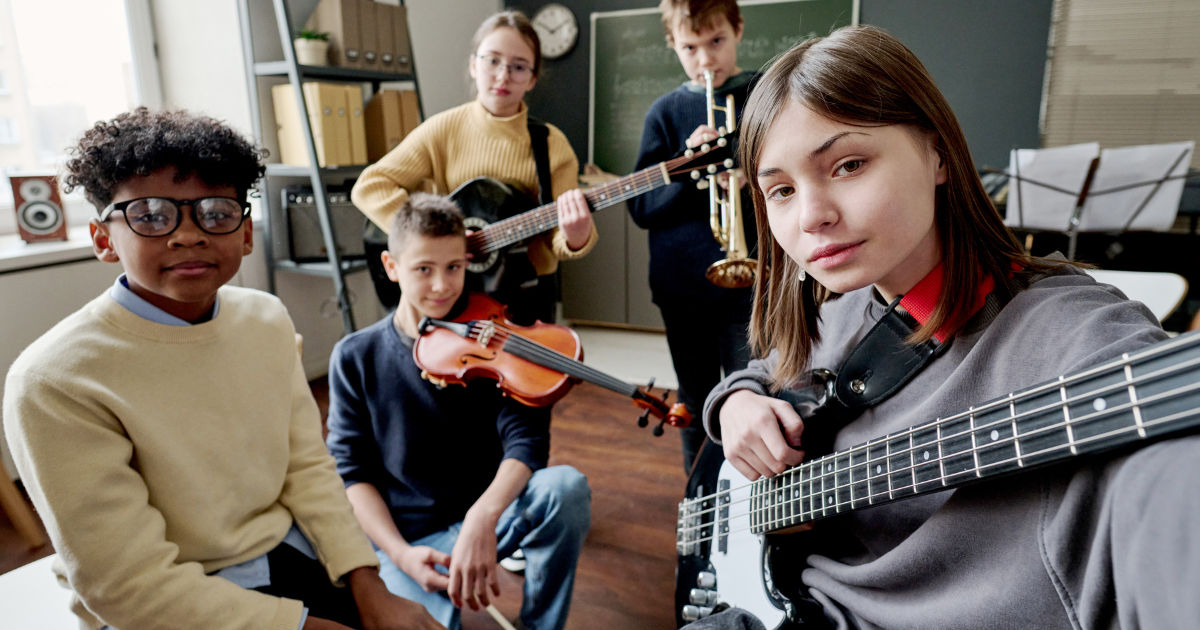
In this guide, we will explore the steps to enroll, the programs offered, and tips to make your journey smooth and rewarding.

Whether you’re a beginner wanting to pick up a new instrument or an advanced musician seeking performance training, this comprehensive guide will provide everything you need to know about joining the School of music Oak Hills Austin.


Oak Hills Neighborhood Music School

Oak Hills Neighborhood Music School is more than just a place to learn music—it is a community. Founded with the mission of fostering musical education in a welcoming environment, the school caters to children, teenagers, and adults alike. The school focuses on personalized instruction, ensuring that every student receives guidance tailored to their skill level and musical goals.

The school offers a variety of programs ranging from individual lessons to group classes, ensemble participation, and even preparation for exams and performances. The learning environment is supportive, and instructors are often professional musicians with years of experience in teaching and performance.

By choosing the School of music Oak Hills Austin, you are not just enrolling in a course—you are joining a musical family that values creativity, discipline, and passion for music.


Programs Offered at Oak Hills Neighborhood Music School

Before diving into the enrollment process, it’s important to understand the range of programs available at the school. Oak Hills offers a wide variety of musical programs designed to cater to different age groups and skill levels.

Individual Music Lessons

Individual lessons are perfect for students who want focused, one-on-one attention. These lessons cover a wide range of instruments, including piano, guitar, violin, drums, and wind instruments. Lessons are structured to progress at the student’s pace, emphasizing technique, theory, and performance skills.

Group Classes

Group classes provide an opportunity for students to learn collaboratively. These classes often focus on beginner students or specific skills such as music theory, rhythm training, or ensemble playing. Group sessions help students develop teamwork, listening skills, and stage confidence.

Ensemble Programs

Ensemble programs are designed for students who want to perform in bands, orchestras, or vocal groups. These programs are ideal for those looking to gain experience in live performances, improve timing and coordination, and enjoy the collaborative aspect of music.

Music Theory and Composition

For students interested in the academic side of music, the school offers classes in music theory and composition. These courses cover the fundamentals of reading music, writing compositions, understanding harmony, and analyzing musical structures.

Special Workshops

Occasionally, Oak Hills Neighborhood Music School hosts workshops with guest artists, professional musicians, or educators. These workshops provide unique insights, hands-on experiences, and inspiration for students to explore new musical directions.


Step-by-Step Guide to Enrollment

Enrolling in the School of music Oak Hills Austin is straightforward, but it’s essential to follow each step carefully to ensure a smooth process.

Step 1: Research and Choose a Program

Begin by exploring the programs that match your interests and skill level. Oak Hills offers options for beginners, intermediate learners, and advanced students. Take note of the instruments or classes you are interested in and the type of learning environment you prefer (individual lessons, group classes, or ensembles).

Step 2: Visit the School

Visiting the school is highly recommended. A personal visit allows you to meet the instructors, see the facilities, and get a feel for the learning environment. You can also observe ongoing classes to understand the teaching methods and the interaction between students and instructors.

Step 3: Contact the Admissions Office

Once you have decided on the program, contact the admissions office. You can reach them via phone, email, or the official website. The staff will guide you through the enrollment process, provide information on class schedules, tuition fees, and any prerequisites for specific courses.

Step 4: Fill Out the Enrollment Form

The next step is to complete the enrollment form. This form typically asks for personal information, previous musical experience, preferred program, and schedule preferences. Accuracy is essential, as this information helps the school assign instructors and plan lessons effectively.

Step 5: Schedule an Assessment

Depending on the program, Oak Hills may require a brief assessment to determine your skill level. This step ensures that students are placed in the appropriate class or lesson plan. Assessments usually involve a short performance, a review of previous musical experience, or a discussion of goals with the instructor.

Step 6: Choose a Lesson Schedule

After the assessment, you will work with the school to finalize your lesson schedule. Oak Hills offers flexible timing to accommodate school, work, or other commitments. Whether you prefer morning, afternoon, or evening sessions, the staff will help you find a suitable schedule.

Step 7: Tuition Payment and Enrollment Confirmation

Once your schedule is set, you will be required to pay tuition fees. The school may offer different payment options, such as monthly, semester-wise, or annual payments. After payment, you will receive an official enrollment confirmation, granting access to your classes and school resources.


Tips for a Smooth Enrollment Process

Enrolling at the School of music Oak Hills Austin is simple, but a few tips can make the experience even smoother:

  • Plan Ahead: Start the enrollment process well in advance, especially if you are targeting a specific class or instructor.

  • Prepare Your Information: Have your personal details, previous music experience, and preferred schedule ready.

  • Attend an Orientation: Many schools offer an orientation session for new students. Attend it to understand school policies, expectations, and resources.

  • Ask Questions: Don’t hesitate to ask the admissions staff any questions regarding tuition, scheduling, or programs. Clarifying doubts early helps avoid confusion later.

  • Stay Flexible: Class availability and instructor schedules may vary. Being flexible will help you secure a spot in your preferred program.


Benefits of Enrolling at Oak Hills Neighborhood Music School

Enrolling at the School of music Oak Hills Austin offers numerous benefits beyond learning music:

Personalized Instruction

The school emphasizes tailored teaching, ensuring that every student receives guidance suitable to their skill level. This personalized approach enhances learning and boosts confidence.

Experienced Instructors

Instructors at Oak Hills are professional musicians with years of teaching experience. They bring expertise, mentorship, and inspiration to each lesson.

Performance Opportunities

Students have multiple opportunities to perform in recitals, concerts, and competitions. These experiences help build stage presence, confidence, and practical skills.

Community and Collaboration

Being part of Oak Hills means joining a community of musicians. Students interact, collaborate, and form lifelong connections with peers who share their passion.

Holistic Musical Growth

From theory to practical performance, individual lessons to ensembles, the school ensures a well-rounded musical education. Students leave with technical proficiency, creative thinking, and a deeper understanding of music.


Preparing for Your First Lesson

Once enrolled, preparation is key to making the most of your musical journey. Here are some tips:

  • Bring Your Instrument: Ensure your instrument is in good condition and ready for practice.

  • Set Goals: Identify what you want to achieve, whether mastering a piece, improving technique, or performing confidently.

  • Practice Regularly: Consistency is crucial. Daily practice, even for a short duration, significantly improves progress.

  • Take Notes: During lessons, jot down important tips, exercises, and instructions to review later.

  • Stay Open to Feedback: Constructive criticism helps you grow as a musician.


Frequently Asked Questions About Enrollment

What Age Groups Does the School Accept?

Oak Hills welcomes students of all ages, from young children to adults. Programs are tailored according to age and skill level.

Are There Any Prerequisites?

Most programs do not require prior experience. However, advanced classes or ensembles may require an assessment to determine the student’s readiness.

How Long Are the Lessons?

Lesson duration varies depending on the program, typically ranging from 30 minutes to 60 minutes for individual lessons. Group classes may last longer depending on the curriculum.

Can I Change My Schedule?

Yes, the school is flexible and allows students to adjust schedules based on availability and changing needs.

Are There Opportunities for Performances?

Absolutely. Oak Hills regularly organizes recitals, concerts, and student showcases, providing ample opportunities to perform and gain experience.


Conclusion

Enrolling at the School of music Oak Hills Austin is an exciting first step toward a fulfilling musical journey. With its diverse programs, experienced instructors, and supportive community, the school provides a comprehensive learning experience for musicians of all ages and skill levels. By following the step-by-step enrollment guide, preparing for assessments, and embracing the opportunities offered, you can make the most of your time at Oak Hills.

Music is not just about notes and rhythms; it’s a path to personal growth, creativity, and connection. Choosing the right school ensures that your passion is nurtured in an environment that values your progress and celebrates your achievements. Whether you aim to play professionally, enjoy music as a hobby, or explore new creative horizons, Oak Hills Neighborhood Music School offers the resources, mentorship, and community to help you succeed.

So take the first step today—explore programs, schedule a visit, and start your enrollment process at the School of music Oak Hills Austin. Your musical journey awaits, and the possibilities are endless.