
Day: July 28, 2026

What Happens Without Chimney Cap Installation?What Happens Without Chimney Cap Installation?

A chimney may look like a simple part of a house, but it is constantly exposed to outdoor conditions. Rain, snow, wind, leaves, animals, and debris can all find their way into an open chimney. Over time, this exposure can create expensive problems that are often much more difficult to fix than the original issue. Proper chimney cap installation is one of the most practical ways to protect the chimney opening and reduce the risk of moisture damage, blockages, animal intrusion, and deterioration.

Many homeowners do not think about their chimney until they notice a problem. A water stain appears on the ceiling near the fireplace. A strange smell comes from the chimney. Birds or small animals start making noise inside the flue. Rust appears around the fireplace or damper. In some cases, the problem is not immediately obvious at all. Water may be entering slowly and causing damage inside the chimney structure for months or even years.

A chimney cap is designed to cover the top of the chimney while still allowing smoke and combustion gases to escape safely. A properly designed cap usually includes a mesh screen that helps keep out animals and larger debris. It also provides protection from rain and other forms of precipitation.

Without a chimney cap, the chimney is essentially an open pathway from the outside environment into the home. That opening can expose the chimney system to moisture, debris, animals, and other hazards. The consequences can range from minor maintenance issues to major structural repairs.

Understanding what happens without chimney cap installation can help homeowners recognize why this relatively small component plays such an important role in long-term chimney protection.

Rainwater Can Enter the Chimney

One of the biggest problems caused by an uncapped chimney is direct exposure to rainwater. When there is no protective covering at the top, rain can fall directly into the chimney opening.

A chimney is designed to carry smoke and combustion gases upward. It is not necessarily designed to handle continuous water exposure from above. Every time it rains, water may travel down the flue or collect on the masonry surfaces.

At first, this may not seem like a serious problem. A small amount of water may evaporate or drain away. However, repeated exposure can eventually cause significant deterioration.

Masonry materials such as brick and mortar are porous. They can absorb moisture. When this happens repeatedly, the water can move deeper into the chimney structure.

In climates with freezing temperatures, the problem can become even more serious. Water absorbed into masonry can freeze and expand. When temperatures rise, the ice melts. This repeated freezing and thawing can gradually weaken bricks and mortar joints.

Over time, homeowners may notice cracked bricks, loose mortar, or pieces of masonry falling from the chimney.

Even in warmer climates, rainwater can still cause damage. Continuous moisture exposure can contribute to staining, corrosion, mold growth, and deterioration of surrounding building materials.

Moisture Can Damage the Chimney Masonry

A chimney without a cap is vulnerable to moisture-related deterioration. This is especially concerning for older chimneys that may already have weakened mortar joints or damaged bricks.

When water enters the chimney, it can travel through small cracks and porous materials. The damage may not always be visible from outside.

Mortar joints can gradually deteriorate. Once mortar begins to weaken, water can penetrate even more easily. This creates a cycle in which moisture causes damage, and the damage allows even more moisture to enter.

In severe cases, the structural condition of the chimney can be affected.

The chimney crown, bricks, mortar, and flashing can all be exposed to increased moisture when the top is left open. While a chimney cap is not a replacement for proper waterproofing or maintenance, it provides an important additional layer of protection.

A well-designed cap helps direct rainwater away from the chimney opening. This can reduce the amount of water that reaches the interior surfaces.

The Chimney Crown May Deteriorate Faster

The chimney crown is the structure at the top of many masonry chimneys. Its job is to help protect the chimney from water intrusion and direct water away from the masonry.

Without adequate protection, the crown is exposed to constant weather conditions.

Rainwater can collect on or around damaged areas of the crown. Small cracks may allow water to penetrate into the structure. Over time, these cracks can become larger.

If water freezes inside cracks, expansion can make the damage worse.

A damaged chimney crown can become one of the main entry points for moisture. Once water starts penetrating the crown, it may reach the masonry below and cause additional deterioration.

Installing a properly designed chimney cap can help protect the crown from direct weather exposure. However, the cap itself must be correctly sized and installed. A poorly designed cap may not provide sufficient protection.

Homeowners should also understand that a chimney cap cannot repair an already damaged crown. If cracks or deterioration are present, they should be addressed separately.

Water Damage Can Reach the Inside of Your Home

One of the most frustrating consequences of an uncapped chimney is water damage inside the house.

Water entering through the chimney may eventually reach the fireplace, chimney breast, attic, ceiling, or walls.

The exact location of the damage depends on the chimney's design and the path the water takes.

Homeowners may notice brown or yellow stains on ceilings and walls. Paint may begin peeling. Wallpaper may become damaged. Wood components near the chimney may develop moisture problems.

Sometimes, the source of the leak is difficult to identify because water can travel along building materials before becoming visible.

This means the location of an interior stain may not be directly below the point where water entered.

If water damage continues for a long time, repairs can become much more expensive. What started as an exposed chimney opening may eventually require masonry repairs, interior painting, drywall replacement, or even structural work.

Animals Can Enter an Uncapped Chimney

Another major concern is animal intrusion.

An open chimney can look like a safe shelter to birds, squirrels, raccoons, bats, and other animals. Some animals may enter accidentally, while others may intentionally choose the chimney as a nesting location.

Once an animal enters, it may become trapped.

This can create several problems.

Animals can bring nesting materials into the chimney. These materials may block the flue or interfere with proper ventilation.

Bird nests can be especially problematic because they can contain dry materials that may create a fire hazard if they are located near heat.

Animals may also leave droppings, fur, feathers, and other organic material inside the chimney.

These materials can create unpleasant odors and contribute to poor indoor air quality.

A properly designed chimney cap with an appropriate mesh screen can help prevent many animals from entering while still allowing smoke and gases to exit.

However, homeowners should never assume that every cap is suitable for every chimney. The design should be appropriate for the type of chimney and the appliances connected to it.

Birds Can Build Nests Inside the Chimney

Birds are among the most common unwanted visitors in open chimneys.

From a bird's perspective, a chimney can provide a protected location away from many predators. Unfortunately, the nesting materials can create serious problems for homeowners.

A nest can partially or completely obstruct the flue.

If the chimney is connected to a fireplace, wood stove, furnace, or another combustion appliance, an obstruction may interfere with the safe movement of combustion gases.

Depending on the appliance and chimney design, this can increase the risk of carbon monoxide entering the living space.

Bird nests can also create persistent odors, particularly when birds or young animals are present.

If a nest is discovered, it should not simply be pushed deeper into the chimney. Professional inspection and appropriate removal may be necessary.

Prevention is usually easier than dealing with an established nest.

Small Animals May Become Trapped

A chimney without a cap can also become a trap for small animals.

Squirrels, raccoons, and other animals may climb or fall into the chimney and become unable to escape.

A trapped animal can create noise that is disturbing for the household. It may also cause damage while trying to escape.

The situation can become more serious if the animal dies inside the chimney.

This may result in strong odors that can spread into the house. Removing the remains may also require professional assistance.

A chimney cap with a suitable protective screen can significantly reduce the chance of animals entering the flue.

Leaves and Outdoor Debris Can Enter

An open chimney is also vulnerable to falling leaves, twigs, pine needles, and other outdoor debris.

During windy weather, debris can easily enter through the chimney opening.

Over time, this material can accumulate.

The problem may be particularly noticeable in homes surrounded by mature trees.

Leaves and twigs can create blockages and may contribute to moisture retention. Wet organic material can remain inside the chimney and create unpleasant smells.

Dry debris can also become a concern if it accumulates near areas exposed to high temperatures.

A chimney cap helps prevent larger debris from entering while allowing the chimney to continue performing its intended function.

Chimney Blockages Can Become a Safety Concern

A chimney must remain sufficiently open for combustion gases and smoke to move safely outside.

When debris, nests, or animal material blocks the flue, the chimney may not function properly.

The consequences depend on the type of appliance connected to the chimney.

With fireplaces and wood-burning appliances, restricted airflow can affect draft and smoke movement.

With fuel-burning heating equipment, an obstruction may interfere with the safe removal of combustion gases.

One of the most serious concerns associated with blocked venting is carbon monoxide.

Carbon monoxide is an invisible and odorless gas that can be extremely dangerous. A chimney cap itself does not guarantee protection from carbon monoxide, but preventing certain types of animal and debris intrusion can help reduce one potential source of blockage.

Regular chimney inspections remain essential.

Smoke May Not Draft Properly

A chimney relies on proper airflow and draft to move smoke and combustion gases upward.

When the chimney opening is exposed to certain environmental conditions, wind can sometimes affect performance.

A properly designed chimney cap can help manage some wind-related effects by providing a controlled opening around the flue.

Without a cap, strong wind may enter the chimney more directly.

The impact depends on chimney height, location, surrounding buildings, roof design, and local weather conditions.

Homeowners may notice smoke entering the room instead of rising efficiently through the chimney.

Poor drafting can make a fireplace unpleasant to use. It may also indicate a larger ventilation problem that requires professional evaluation.

A chimney cap is not a solution for every drafting problem, but it can be one part of a properly designed chimney system.

Creosote and Chimney Deposits Can Become More Difficult to Manage

Wood-burning fireplaces and stoves naturally produce combustion byproducts.

One of these is creosote, a combustible substance that can accumulate inside chimneys.

An uncapped chimney does not automatically cause creosote buildup. However, moisture entering from above can interact with existing deposits and contribute to chimney deterioration.

Water can also affect the condition of the flue liner and masonry.

Regular chimney cleaning and inspection are still necessary for wood-burning systems. A chimney cap should be viewed as a protective component, not a replacement for cleaning.

The best approach is to combine proper maintenance with protection from the elements.

Rust and Corrosion Can Affect Metal Components

Many chimney systems contain metal components, including dampers, flashing, liners, connectors, and other hardware.

When water enters an uncapped chimney, these components may experience increased moisture exposure.

Over time, this can contribute to rust and corrosion.

A corroded damper may become difficult to operate. Metal components can weaken. In some cases, replacement may eventually be necessary.

Water exposure can also affect the metal flashing around the chimney.

Although flashing is designed to prevent water from entering the roof structure, damaged or poorly maintained flashing can allow leaks to develop.

A chimney cap does not replace proper flashing, but reducing water exposure at the chimney top can help protect the overall system.

The Roof Can Suffer From Chimney-Related Water Problems

A chimney passes through the roof, which makes it a vulnerable area for water intrusion.

The chimney itself is only part of the system. The connection between the chimney and roof must also be properly protected.

When an uncapped chimney allows large amounts of water into the structure, moisture may eventually reach areas around the roof penetration.

If flashing is already damaged or improperly installed, the situation can become worse.

Water can enter the attic or roof assembly and cause hidden damage.

Wood framing may become damp. Insulation may lose effectiveness. Mold may develop under suitable conditions.

This is why chimney-related leaks should be investigated quickly rather than ignored.

Mold and Musty Odors May Develop

Moisture creates conditions that can support mold growth.

An uncapped chimney that repeatedly allows water inside may contribute to damp conditions in enclosed spaces.

Mold may develop on suitable materials around the chimney, particularly if ventilation is poor.

Homeowners may notice a musty smell before they see visible signs of moisture damage.

Persistent odors should not be ignored.

The solution is not simply to cover up the smell with air fresheners. The source of moisture must be identified and corrected.

If mold growth has become extensive, professional assessment and remediation may be required.

The Cost of Repairs Can Increase Over Time

One of the strongest arguments for installing a chimney cap is financial.

The cost of a properly fitted cap is generally much lower than the cost of repairing extensive chimney or water damage.

A homeowner who ignores an open chimney may eventually face multiple repair expenses.

These could include masonry restoration, crown repair, flashing repairs, interior water damage, animal removal, chimney cleaning, or structural work.

The longer moisture and other problems continue, the more complicated the repairs may become.

Preventive maintenance is usually more affordable than major restoration.

This does not mean that every chimney without a cap will experience severe damage immediately. Some chimneys may go years without obvious problems.

However, the risk remains.

Winter Weather Can Make Damage Worse

In cold regions, the combination of moisture and freezing temperatures can accelerate chimney deterioration.

Water enters cracks and porous masonry.

When temperatures drop, the water freezes and expands.

When temperatures rise, the ice melts.

This cycle can repeat many times during a winter.

Over the years, repeated freeze-thaw cycles can cause masonry to crack, spall, or deteriorate.

The damage may begin as small surface cracks but eventually become more extensive.

A chimney cap can help reduce the amount of water entering from the top, lowering one source of moisture exposure.

Chimney Liners May Be Exposed to More Moisture

Many modern chimneys use liners made from materials such as clay, metal, or other specialized products.

These liners help protect the chimney structure and provide an appropriate passage for combustion gases.

Water intrusion can affect the surrounding chimney system and, depending on the liner material and condition, contribute to deterioration.

Clay flue tiles can crack under certain conditions, while metal liners may experience corrosion if exposed to persistent moisture and unsuitable conditions.

The exact risks depend on the chimney design and appliance.

This is another reason why chimney inspections are important.

A chimney professional can identify problems that may not be visible from ground level.

A Chimney Cap Is Not Just a Decorative Cover

Some homeowners see chimney caps as optional accessories.

In reality, a properly selected cap can serve several practical purposes.

It can help keep rainwater out.

It can reduce animal entry.

It can block larger debris.

It can provide some protection from wind-driven precipitation.

It can help protect parts of the chimney structure from direct weather exposure.

Many chimney caps also include mesh screens that help prevent birds and animals from entering.

The exact design should match the chimney.

A cap that is too small may not protect the opening effectively. One that is poorly installed may become loose or damaged during strong winds.

What Happens When a Chimney Cap Is Installed Correctly?

Proper installation can provide long-term protection against several common chimney problems.

The cap should fit securely over the chimney opening.

It should be made from a suitable material that can withstand the local weather conditions.

The design should allow smoke and combustion gases to exit properly.

The mesh should be appropriate for the chimney and should not create excessive restriction.

The installation should also consider the chimney crown and surrounding masonry.

A good installation is not simply about placing a metal cover over the top. The entire chimney system should be evaluated to make sure the cap works correctly with the existing structure.

Choosing the Right Chimney Cap Matters

Not all chimney caps are the same.

Some are made from stainless steel, galvanized steel, copper, or other materials.

Stainless steel is often chosen for durability and resistance to corrosion.

Copper can provide long-term durability and develops a distinctive appearance as it ages.

Galvanized steel may be a more economical option, but its long-term performance depends on the quality of the coating and environmental exposure.

The correct choice depends on the chimney, budget, climate, and desired lifespan.

The size and shape are equally important.

A cap should be appropriately sized for the chimney opening and should not interfere with ventilation.

Can a Chimney Cap Solve Every Chimney Problem?

No.

This is an important point.

A chimney cap is a protective measure, but it is not a complete chimney maintenance system.

It cannot repair cracked bricks.

It cannot fix damaged flashing.

It cannot replace a deteriorated chimney crown.

It cannot remove existing creosote.

It cannot repair a damaged flue liner.

It cannot solve every draft problem.

It cannot eliminate the need for inspections.

The cap should be considered one part of a larger chimney care strategy.

A healthy chimney requires proper construction, regular inspection, appropriate cleaning, moisture protection, and timely repairs.

What Should Homeowners Do If Their Chimney Has No Cap?

If your chimney does not have a cap, the first step is to arrange a professional inspection.

The inspection can determine whether the chimney has already suffered damage.

A professional should examine the masonry, crown, flashing, flue, liner, and surrounding areas.

If the chimney is in good condition, installing a properly sized cap may be a straightforward preventive measure.

If damage is already present, repairs should be completed before or alongside the installation.

It is also important to determine whether the chimney has an active fireplace or heating appliance.

The cap design should be compatible with the system.

How Often Should a Chimney Cap Be Inspected?

A chimney cap should be checked regularly, particularly after severe weather.

Strong winds can loosen or damage caps.

Heavy snow, ice, falling branches, and storms can also affect their condition.

Look for signs such as:

  • Loose or missing sections
  • Rust or corrosion
  • Damaged mesh
  • Cracks
  • Gaps around the chimney
  • Excessive debris
  • Animal nesting

If the cap is damaged, repairing or replacing it promptly can prevent the chimney from becoming exposed again.

Signs That Your Chimney May Already Have Problems

If your chimney has been open for a long time, look for warning signs.

Water stains near the chimney are a common indicator.

Other signs include:

  • Musty smells
  • Rust around the fireplace
  • Crumbling mortar
  • Cracked bricks
  • Damaged ceiling materials
  • Animal noises
  • Birds entering the chimney
  • Visible debris
  • Smoke entering the room
  • Difficulty operating the damper

These signs do not always mean the chimney cap is the only problem.

However, they indicate that the chimney should be professionally evaluated.

Why Preventive Chimney Maintenance Is Worth It

Home maintenance often works best when problems are addressed before they become emergencies.

A chimney cap is a good example of preventive maintenance.

It is relatively simple compared with rebuilding damaged masonry or repairing serious water intrusion.

The goal is not to eliminate every possible chimney problem.

The goal is to reduce avoidable risks and protect the chimney from unnecessary exposure.

Regular inspections, cleaning when necessary, proper waterproofing, flashing maintenance, and a suitable chimney cap can all contribute to a healthier chimney system.

Conclusion

A chimney without a cap is exposed to the outdoor environment every day. Rain can enter from above. Wind can drive moisture into vulnerable areas. Leaves and debris can accumulate. Birds and animals can enter and build nests. Over time, these seemingly small problems can lead to larger maintenance and safety concerns.

The most common long-term issue is moisture.

Water is one of the biggest enemies of masonry chimneys. It can enter porous bricks and mortar, contribute to cracks, accelerate deterioration, and potentially cause water damage inside the home. In cold climates, freezing and thawing can make the damage progress even faster.

Animal intrusion is another important concern. An uncapped chimney can become an attractive shelter for birds and small animals. Nesting materials and debris may restrict the flue, while trapped animals can create odors, mess, and additional maintenance problems.
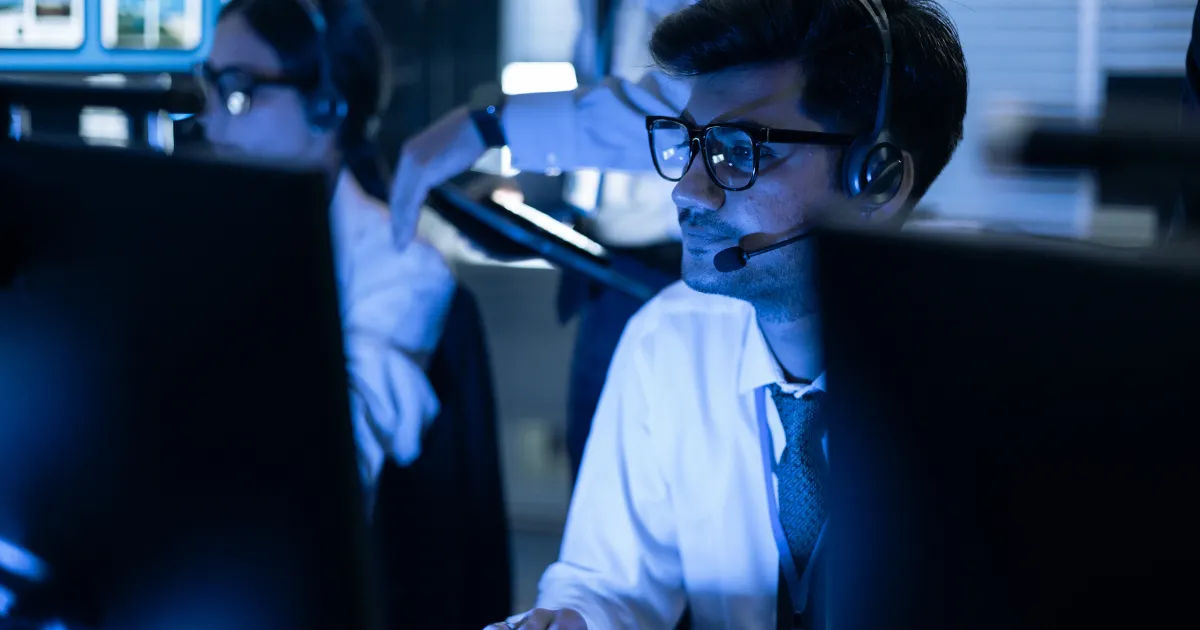
Can cloud migration services reduce IT complexity?Can cloud migration services reduce IT complexity?

Modern businesses depend on technology for almost every part of their operations. Employees use applications to communicate, customers interact with online platforms, and companies rely on databases and servers to store important information. As technology grows, however, the IT environment can become increasingly difficult to manage.

This is one reason many organizations consider cloud migration services when looking for ways to simplify their technology infrastructure. Moving applications, data, and workloads to cloud environments can reduce the need to manage certain physical systems and can make IT resources easier to scale and monitor. However, cloud migration does not automatically eliminate complexity. If the migration is poorly planned, moving an already complicated environment to the cloud can simply create a different type of complexity.

The real question, therefore, is not whether moving to the cloud is always simpler. The more useful question is whether cloud migration services can reduce unnecessary IT complexity when the migration is carefully planned and managed.

A successful cloud migration can help organizations consolidate infrastructure, automate routine tasks, improve visibility, simplify resource management, and create more flexible IT operations. It can also reduce the burden of maintaining physical hardware and make it easier to introduce modern services.

At the same time, cloud environments introduce their own challenges. Organizations must understand cloud architecture, security, identity management, compliance, cost control, data integration, and application dependencies. The goal should not be to move everything to the cloud without a strategy. Instead, businesses should identify which parts of their IT environment can genuinely become simpler and then design a migration approach around those goals.

This guide explains how Cloud migration services can reduce IT complexity, where they provide the greatest benefits, what challenges businesses should expect, and how organizations can make cloud migration more manageable.

What Does IT Complexity Really Mean?

IT complexity is more than simply having a large number of computers or servers. It refers to the difficulty involved in managing, maintaining, securing, monitoring, and connecting different technology components.

A small business might have a few servers, several software applications, employee devices, networking equipment, backup systems, and security tools. A larger organization may operate hundreds or thousands of applications across multiple data centers and locations.

The more systems an organization has, the more relationships exist between those systems.

For example, an application may depend on a database. That database may depend on a particular server. The server may require a specific operating system. The application may also communicate with an external payment service through an API. Meanwhile, users need access through an identity management system, and security teams need to monitor the entire environment.

If one component changes, several others may be affected.

This creates operational complexity.

IT complexity can also appear in less obvious ways. An organization may have different teams using different tools for monitoring, backup, deployment, and security. Employees may have access to systems they no longer need. Data may exist in multiple locations. Some applications may be hosted internally while others run on external platforms.

Over time, these separate decisions can create a technology environment that is difficult to understand.

Why Traditional IT Environments Become Complicated

Traditional on-premises infrastructure often requires organizations to manage physical equipment directly.

This can include servers, storage devices, networking equipment, cooling systems, power systems, and physical security. IT teams may also need to plan for hardware replacement and capacity expansion.

Hardware management is only one part of the problem.

Organizations also need to maintain operating systems, install patches, monitor performance, manage backups, replace failed components, and protect systems against security threats.

When an organization grows, the infrastructure often grows with it.

A company may purchase new servers for a new application. Later, another department may introduce a separate system. A third-party application may require another database. Eventually, the business can end up with several technology platforms that were introduced at different times and designed according to different requirements.

This can make IT management increasingly difficult.

Legacy systems create another layer of complexity. Some older applications may still be essential to daily operations, even if they are difficult to maintain. They may depend on outdated software or hardware and may not integrate easily with modern systems.

In these situations, cloud migration can provide an opportunity to review the environment and determine which systems should be modernized, replaced, retained, or removed.

How Cloud Migration Services Can Simplify Infrastructure

One of the main ways cloud migration services can reduce complexity is by helping organizations move away from unnecessary infrastructure management.

In a traditional environment, an organization may need to purchase and maintain physical servers for expected future growth. This can result in unused capacity during quiet periods and insufficient capacity during periods of high demand.

Cloud infrastructure provides more flexible resource options.

Instead of owning every physical component, businesses can use cloud resources according to their requirements. Computing power, storage, and other services can often be adjusted as workloads change.

This can simplify capacity planning.

IT teams no longer need to spend as much time thinking about when to purchase additional hardware or where to physically install it. Instead, they can focus more attention on application performance, security, business requirements, and user experience.

The infrastructure itself still needs management, but the nature of that management changes.

Reducing the Number of Physical Systems

Physical infrastructure can become difficult to manage as organizations grow.

Every server requires space, power, cooling, monitoring, maintenance, and security. Hardware failures can also require urgent attention.

Cloud migration can reduce the amount of physical infrastructure that an organization needs to operate directly.

This does not mean that physical infrastructure disappears completely. Many businesses continue to use local systems, specialized equipment, or hybrid environments. However, moving suitable workloads to the cloud can reduce the number of systems that internal teams must maintain.

This can make IT operations more manageable.

For example, instead of maintaining a large collection of physical servers for different applications, a business may move some workloads to virtual cloud infrastructure. This can reduce hardware-related responsibilities and provide a more consistent way to manage computing resources.

The result is often a simpler operational model.

Simplifying Resource Scaling

One of the most common sources of IT complexity is changing demand.

A business may need additional computing resources during a product launch, seasonal sales period, marketing campaign, or major event. At other times, demand may be much lower.

Traditional infrastructure often requires organizations to purchase enough hardware to handle peak demand.

This can create two problems.

The first is overprovisioning. The company purchases more infrastructure than it normally needs.

The second is underprovisioning. The company does not have enough capacity when demand suddenly increases.

Cloud environments can provide more flexible scaling options.

With the right architecture, organizations can increase or reduce resources according to workload requirements. This can simplify capacity management and reduce the need for constant hardware planning.

However, automated scaling must be configured correctly. Poorly designed scaling policies can increase costs or create performance issues. This is why migration planning remains important.

Improving IT Visibility

Complex environments are difficult to manage when IT teams cannot clearly see what is happening.

A business may have applications running on different servers, databases managed by separate teams, and systems that use different monitoring tools. This can make it difficult to identify performance problems.

Cloud platforms often provide centralized monitoring and management capabilities.

Depending on the platform and architecture, IT teams may be able to monitor application performance, resource usage, security events, network activity, and system health from integrated management tools.

This can improve visibility.

When teams can quickly identify which resource is experiencing a problem, they can respond more effectively.

Better visibility also supports decision-making. IT leaders can understand which systems consume the most resources, which applications are underused, and where performance improvements may be necessary.

Automating Routine IT Tasks

Manual processes are a major source of operational complexity.

IT teams may spend significant amounts of time performing repetitive activities such as provisioning servers, applying updates, configuring environments, creating backups, and deploying applications.

Cloud environments can support automation for many of these tasks.

Infrastructure as code, automated deployment pipelines, configuration management, and policy-based controls can reduce the amount of manual work required.

For example, instead of manually configuring several servers, an organization may use automated templates to create consistent environments.

This reduces the risk of human error.

Automation also makes processes more repeatable. If the same configuration is needed in multiple environments, it can be defined once and reused.

This can make IT operations more predictable and easier to manage.

Making Application Management More Flexible

Applications are often at the center of IT complexity.

A company may have applications developed at different times using different programming languages, databases, frameworks, and infrastructure requirements.

Migrating these applications to the cloud creates an opportunity to evaluate them individually.

Some applications may be moved without major changes. This approach is often called rehosting.

Other applications may benefit from optimization or modernization. In some cases, organizations may replace an existing application with a cloud-based service.

The key advantage is that migration encourages organizations to examine their application portfolio.

Instead of continuing to maintain every application indefinitely, businesses can identify which systems are essential, which are outdated, and which can be retired.

This application rationalization process can significantly reduce complexity.

Reducing Data Center Management Responsibilities

Operating a private data center can require substantial resources.

Organizations may need teams responsible for hardware, networking, physical security, environmental controls, power management, and infrastructure maintenance.

Cloud migration can shift some of these responsibilities to the cloud provider.

The provider manages the underlying physical infrastructure, while the customer focuses on the services and resources it actually uses.

This can reduce the operational workload for internal IT teams.

However, it is important to understand that cloud providers do not manage everything for the customer. Responsibilities are divided according to the cloud service model.

Businesses still need to manage areas such as user access, data protection, application configuration, and security controls.

Cloud migration reduces certain types of complexity, but it does not remove the need for responsible IT management.

Supporting Centralized Identity and Access Management

Access control can become complicated when organizations have many applications and systems.

Employees may need separate accounts for different services. Managing these accounts manually can create security risks and administrative challenges.

Cloud environments can support centralized identity and access management.

With appropriate architecture, organizations can create consistent access policies and control who can access specific resources.

This can simplify user administration.

When employees change roles or leave the company, access can be updated or removed more systematically.

Centralized identity management can also improve security by supporting stronger authentication methods and more consistent access controls.

However, identity management should be carefully designed. Poorly configured permissions can create significant security risks.

Improving Backup and Disaster Recovery Management

Backup and disaster recovery are essential parts of IT operations.

Traditional environments often require organizations to maintain backup hardware, storage systems, recovery sites, and procedures for restoring data.

This can become complicated, especially when systems are spread across multiple locations.

Cloud services can provide flexible options for backup and disaster recovery.

Organizations may be able to store backup data in geographically separate locations and automate backup schedules.

Cloud-based recovery strategies can also make it easier to test and improve disaster recovery plans.

However, cloud backup does not automatically guarantee successful recovery.

Businesses must still determine which data needs protection, how quickly systems must be restored, and how long backup copies should be retained.

A well-designed recovery strategy is essential.

Making Security Management More Consistent

Security complexity often grows alongside IT complexity.

Different systems may use different security controls, monitoring tools, and authentication methods.

Cloud migration can provide an opportunity to standardize security practices.

Organizations can establish consistent policies for identity management, encryption, logging, network access, and monitoring.

Cloud platforms may also provide security services that help identify unusual activity or misconfigured resources.

However, cloud security requires careful planning.

Moving systems to the cloud does not automatically make them secure. Misconfigured storage, weak permissions, exposed credentials, and poorly protected applications can create serious risks.

The organization remains responsible for configuring many aspects of its environment correctly.

Therefore, security should be included in the migration strategy from the beginning.

How Cloud Migration Can Reduce Organizational Complexity

IT complexity is not only technical.

It can also affect people and processes.

When different departments use separate systems, employees may struggle to access information or collaborate effectively. IT teams may also have difficulty supporting multiple platforms.

Cloud migration can help standardize technology across departments.

For example, a company may move teams toward common collaboration tools, centralized identity systems, shared data platforms, or standardized application environments.

This can reduce duplication.

Instead of maintaining multiple systems that perform similar functions, organizations can sometimes consolidate services.

This can simplify training, support, and administration.

The biggest gains often come when technology changes are combined with process improvements.

The Role of Cloud Migration Planning

Cloud migration should never be treated as a simple process of moving servers from one location to another.

Before migration begins, organizations should understand their existing environment.

This includes applications, databases, servers, network connections, security controls, dependencies, and business requirements.

A detailed assessment can reveal hidden relationships.

For example, an application may appear to be independent but actually depend on a database located on another server. Moving one component without understanding the dependency could cause the application to stop working.

Migration planning helps identify these risks.

A strong plan also determines which workloads should move first and which should remain where they are.

Not every application needs to move to the cloud.

Choosing the Right Migration Strategy

Different workloads require different approaches.

Some organizations use rehosting, which involves moving applications with minimal changes.

Others choose replatforming, where applications are adjusted to use cloud capabilities without completely redesigning them.

Refactoring involves more significant changes to the application architecture.

There are also situations where an application should be replaced, retired, or retained in its current environment.

The right strategy depends on business goals, technical requirements, cost, security, and application dependencies.

Choosing the correct strategy can prevent unnecessary complexity.

Trying to modernize every application at once may create more disruption than value.

Can Cloud Migration Ever Increase IT Complexity?

Yes.

Cloud migration can reduce certain types of complexity while introducing new ones.

For example, an organization may move from a few physical servers to dozens of cloud services. While the hardware management burden decreases, the number of configurable cloud resources may increase.

Cloud costs can also become complicated.

Organizations may pay for computing resources, storage, databases, network traffic, monitoring, security tools, and additional managed services.

Without proper governance, costs can grow unexpectedly.

Multi-cloud environments can create additional challenges. Managing workloads across multiple cloud providers requires specialized knowledge and consistent policies.

Therefore, cloud migration should be viewed as a transformation of IT complexity rather than the complete removal of complexity.

The objective is to replace unnecessary complexity with a more manageable operating model.

The Importance of Cloud Governance

Governance provides structure for managing cloud environments.

A governance framework can define who is allowed to create resources, how resources should be configured, how data should be protected, and how costs should be monitored.

Without governance, cloud environments can become difficult to control.

Different teams may create resources independently. Naming conventions may become inconsistent. Unused resources may remain active. Security policies may vary between departments.

A strong governance strategy prevents these problems.

Organizations should establish clear policies for resource management, security, access control, cost management, compliance, and monitoring.

Automation can then enforce many of these policies.

Managing Cloud Costs

Cost management is an important part of reducing complexity.

Cloud resources are often flexible, but that flexibility can make spending difficult to predict.

A business may create resources for testing and forget to remove them. Developers may use larger instances than necessary. Storage may grow without proper lifecycle policies.

Cloud cost management practices can help address these issues.

Organizations can monitor usage, establish budgets, create spending alerts, and identify unused resources.

They can also use automated policies to shut down non-production systems when they are not required.

Effective cost management makes the cloud environment easier to control.

The Importance of Staff Skills

Technology migration is also a people challenge.

IT teams that have spent years managing physical infrastructure may need new skills to manage cloud environments.

They may need to understand cloud architecture, automation, identity management, security, cost optimization, and infrastructure as code.

Without adequate training, migration can create frustration.

Employees may struggle to understand new systems or may continue using old practices in a new environment.

Training and knowledge development should therefore be part of the migration strategy.

External expertise can also help organizations during complex migrations.

The goal should be to build internal understanding rather than create permanent dependence on outside support.

How Cloud Migration Services Help Manage the Transition

Professional cloud migration services can help organizations manage the technical and operational challenges involved in moving workloads.

A typical engagement may begin with discovery and assessment.

The migration team identifies applications, infrastructure, dependencies, data, security requirements, and business priorities.

The next step is often migration planning.

This may include deciding which workloads should move, selecting migration strategies, defining timelines, and creating a sequence for migration.

The migration itself can then be performed in stages.

Testing is critical throughout the process.

Applications should be tested for functionality, performance, security, and integration before they are fully transitioned.

After migration, the environment should be monitored and optimized.

This approach helps reduce the risk of unexpected problems.

Migrating in Phases Instead of All at Once

A phased migration is often easier to manage than a large-scale move performed in one step.

Organizations can begin with lower-risk workloads.

This provides an opportunity to test processes and identify problems before migrating critical systems.

The lessons learned from early migrations can then improve later stages.

Phased migration can also reduce business disruption.

Instead of taking the entire IT environment offline, organizations can move workloads gradually.

This approach requires careful planning but can make the overall transformation more controlled.

Measuring Whether Complexity Has Actually Decreased

Businesses should not assume that cloud migration has reduced complexity simply because workloads have moved.

They should measure the results.

Useful metrics may include infrastructure management time, number of manual processes, deployment frequency, system availability, incident resolution time, infrastructure utilization, and recovery performance.

Cost is another important measurement.

If the cloud environment costs significantly more without delivering meaningful business benefits, the organization may need to optimize its architecture.

Employee feedback can also be valuable.

IT teams can explain whether daily operations have become easier or more difficult.

The purpose of measurement is to determine whether migration achieved its original objectives.

Common Mistakes That Prevent Complexity Reduction

One common mistake is moving everything without evaluating the existing environment.

This approach can transfer inefficient systems into the cloud without solving the underlying problems.

Another mistake is ignoring application dependencies.

A workload may depend on several systems that must be migrated together or in a specific order.

Poor security planning is another major issue.

Security should not be added after migration. It should be part of the architecture from the beginning.

Organizations can also struggle when they fail to establish governance.

Without clear policies, cloud environments can become fragmented.

Finally, businesses sometimes underestimate the importance of ongoing optimization.

Cloud environments require continuous monitoring and improvement.

Migration is the beginning of a new operating model, not the end of the project.

When Cloud Migration Provides the Greatest Benefits

Cloud migration is particularly valuable when an organization has aging infrastructure, unpredictable workloads, limited data center capacity, or a need for faster technology delivery.

It can also be useful for businesses that want to expand into new markets without building physical infrastructure in every location.

Organizations with growing applications may benefit from cloud scalability.

Companies looking to modernize their development processes may also gain value from cloud-native tools and automation.

However, the benefits depend on the workload.

Some systems may be better suited to on-premises environments because of latency requirements, regulatory restrictions, specialized hardware, or other technical constraints.

A hybrid approach may therefore be the best option.

The Future of IT Complexity and Cloud Adoption

As businesses continue adopting cloud technologies, IT environments will become increasingly distributed.

Applications may run across public clouds, private infrastructure, edge environments, and specialized platforms.

This means that cloud migration alone will not eliminate complexity.

The future of IT management will depend on automation, centralized visibility, strong governance, and clear architectural standards.

Organizations will need to manage technology based on business outcomes rather than simply focusing on infrastructure.

The most successful companies will not necessarily be those that use the most cloud services.

They will be those that use technology in a way that is reliable, secure, flexible, and manageable.

Conclusion

So, can cloud migration services reduce IT complexity?In many situations, they can.A well-planned cloud migration can reduce the need to manage physical infrastructure, simplify resource scaling, automate repetitive tasks, improve monitoring, strengthen centralized access management, and make backup and disaster recovery more flexible.It can also give organizations an opportunity to review their existing technology environment.

This is perhaps one of the greatest benefits.Migration forces businesses to ask important questions about their applications and infrastructure. Which systems are still necessary? Which applications are outdated? Which workloads should be modernized? Which resources are being underused? Where are security risks hiding? Which processes can be automated?

Answering these questions can lead to a simpler IT environment.However, cloud migration is not a magic solution.Moving a complicated infrastructure to the cloud without proper planning can create a new set of problems. Organizations may face increased costs, complex architectures, security challenges, multi-cloud management issues, and a shortage of specialized skills.

The difference between a successful migration and a problematic one often comes down to preparation.Businesses should begin with a detailed assessment of their existing infrastructure. They should understand application dependencies, identify business priorities, evaluate security and compliance requirements, and select appropriate migration strategies for individual workloads.

They should also recognize that not every application needs to move to the cloud.Some systems may be retired. Others may be replaced. Some may remain on-premises. Others may be modernized before migration.

This selective approach is usually more effective than treating cloud adoption as an all-or-nothing decision.

Governance is equally important.Organizations need clear policies for security, identity, resource management, cost control, monitoring, and compliance. Automation can help enforce these policies and reduce manual administration.

Employee training should also be considered.Cloud technology changes the responsibilities of IT teams. Employees may need to develop new skills in automation, cloud architecture, security, and cost management.

Ultimately, the goal of cloud migration services should not simply be to move workloads from physical servers to cloud infrastructure.The real goal should be to create an IT environment that is easier to operate, easier to secure, easier to scale, and better aligned with business needs.

When migration is approached as a strategic transformation rather than a simple infrastructure move, organizations can achieve meaningful reductions in complexity.The best cloud environment is not necessarily the one with the largest number of services or the most advanced architecture. It is the environment that provides the right capabilities without creating unnecessary operational burdens.

For businesses considering cloud adoption, the most practical approach is to start with a clear understanding of the problems they are trying to solve.

  • If the main challenge is outdated hardware, cloud migration may help.
  • If the problem is slow deployment, automation and modern development practices may provide greater value.
  • If the issue is fragmented systems, application consolidation may be necessary.
  • If security is inconsistent, centralized identity and governance may be more important than migration itself.
  • In many cases, the strongest results come from combining these approaches.

Therefore, cloud migration services can reduce IT complexity, but only when migration is supported by thoughtful planning, appropriate architecture, effective governance, security controls, automation, and continuous optimization.

When these elements work together, cloud adoption can transform IT from a collection of difficult-to-manage systems into a more flexible and organized technology environment. The result is not a complete absence of complexity, but a more manageable form of complexity that allows IT teams to spend less time dealing with infrastructure problems and more time supporting innovation and business growth.