Learning to play the piano is an exciting journey that can bring years of joy and personal growth. Many beginners often feel overwhelmed by the thought of starting at home. However, with the right approach, preparation, and mindset, learning piano at home can be both effective and enjoyable.
If you are looking for private piano lessons Austin, you are in the perfect place to start this musical adventure. This guide will walk you through every essential step to set up beginner piano lessons at home successfully.
Choosing the Right Piano
The first step in preparing for beginner piano lessons is selecting the right instrument. You have two main options: acoustic pianos and digital pianos.
Acoustic Piano
Acoustic pianos offer a traditional feel, rich sound, and authentic touch. They require regular maintenance like tuning but provide a dynamic playing experience. For beginners, a smaller upright piano can be a great start because it saves space while giving the full piano experience.
Digital Piano
Digital pianos are versatile, often more affordable, and easier to maintain. Many models come with weighted keys, simulating an acoustic piano feel. Digital pianos also allow headphone use, which is ideal for home practice without disturbing others.
When choosing your piano, consider space, budget, and your long-term commitment to learning. Remember, the right instrument will make practice sessions more enjoyable and productive.
Creating a Comfortable Practice Space
A dedicated practice area is crucial for effective learning. Your environment should be quiet, comfortable, and free from distractions.
-
Lighting: Ensure the room is well-lit. Natural light is ideal, but a desk lamp near the sheet music or keyboard works well.
-
Seating: Invest in an adjustable piano bench. Correct posture helps prevent fatigue and promotes better technique.
-
Noise Control: If you live with others, consider soundproofing options or using headphones for digital pianos.
-
Organization: Keep your music sheets, metronome, and accessories within reach to minimize interruptions during practice.
Having a structured practice environment encourages consistency and makes learning more effective.
Understanding Piano Basics
Before starting lessons, it’s helpful to understand the basics of piano playing.
Keys and Notes
A standard piano has 88 keys divided into white and black keys. White keys represent natural notes (A, B, C, D, E, F, G), while black keys represent sharps and flats. Beginners should start with simple exercises to identify notes and understand their placement.
Finger Numbers and Positioning
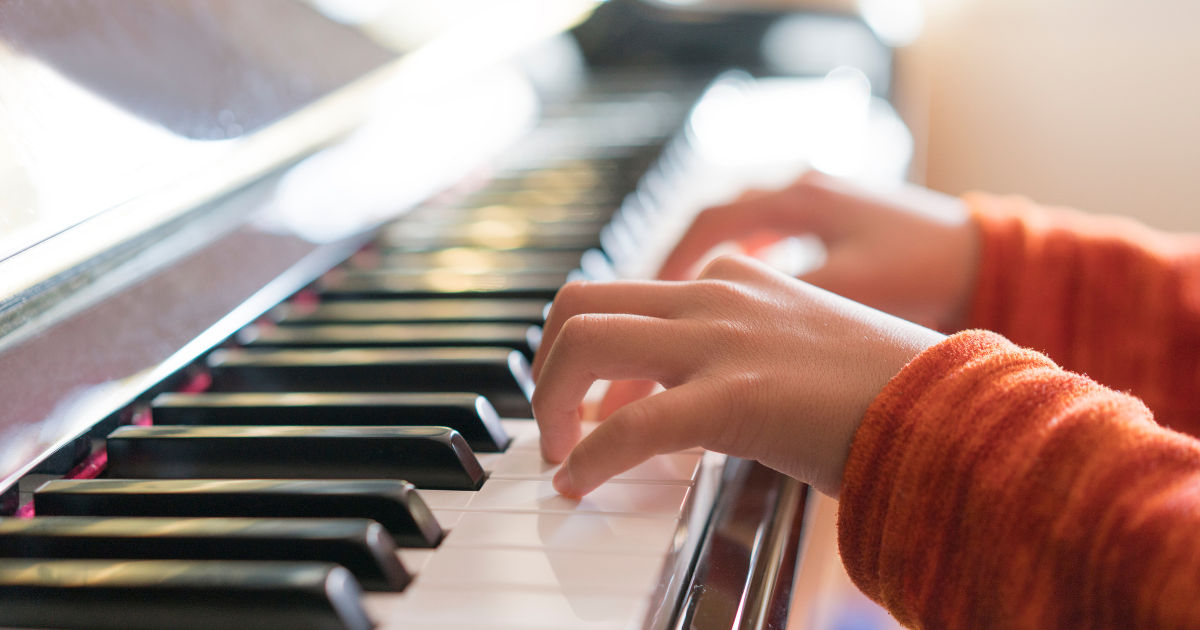
Each finger has a number, which helps guide proper hand positioning. Thumb is 1, index finger is 2, middle finger is 3, ring finger is 4, and little finger is 5. Practicing scales and simple songs while following finger numbers develops finger strength and coordination.
Basic Music Theory
Even at a beginner level, understanding music theory is beneficial. Learn to read notes on a staff, understand rhythm, and recognize basic chord patterns. Simple exercises in reading sheet music can greatly enhance your learning progress.
Essential Accessories for Beginners
Having the right accessories can improve your learning experience and comfort.
-
Metronome: Helps maintain consistent tempo and rhythm during practice.
-
Music Stand: Keeps sheet music at eye level, promoting proper posture.
-
Piano Lamp: Provides direct lighting on the keyboard and music sheets.
-
Finger Exercisers: Optional, but useful for developing finger strength and agility.
These tools are small investments that pay off by making practice more efficient and enjoyable.
Setting a Practice Schedule
Consistency is more important than duration when learning piano. Beginners should aim for shorter, focused practice sessions rather than long, exhausting ones.
-
Start Small: Begin with 20–30 minutes daily.
-
Gradually Increase: As you build stamina, extend sessions to 45–60 minutes.
-
Set Goals: Focus on one skill or piece per session to maintain progress.
-
Breaks: Include short breaks to avoid fatigue and maintain concentration.
A structured schedule encourages regular practice and faster improvement.
Finding the Right Lessons
While self-learning is possible, guided lessons accelerate progress. For beginners in Texas, private piano lessons Austin provide personalized instruction tailored to your skill level.
Benefits of Private Lessons
-
Personalized guidance and feedback
-
Structured learning path
-
Motivation and accountability
-
Immediate correction of mistakes
Whether you choose in-person or online lessons, the key is consistency and clear communication with your instructor.
Using Online Resources
In addition to private lessons, online resources can supplement your learning.
-
Tutorial Videos: YouTube and specialized piano platforms provide step-by-step instructions.
-
Apps: Apps like Simply Piano, Flowkey, or Piano Marvel offer interactive lessons and progress tracking.
-
Sheet Music Libraries: Online libraries provide free and paid sheet music for beginners.
Using these resources wisely enhances your learning experience and reinforces what you learn during private lessons.
Learning Simple Songs First
Starting with simple songs builds confidence and keeps beginners motivated. Choose pieces with slow tempo and simple melodies. Popular beginner pieces include “Twinkle, Twinkle Little Star,” simple folk songs, and easy classical pieces.
Practicing songs improves finger coordination, rhythm, and reading skills while making practice enjoyable.
Developing Proper Technique
Proper technique is critical for long-term progress and injury prevention.
-
Posture: Sit upright with relaxed shoulders.
-
Hand Position: Curved fingers, relaxed wrists, and even pressure on keys.
-
Finger Strength: Practice scales and arpeggios to build agility.
-
Pedaling: Learn basic sustain pedal use after mastering finger coordination.
Even a few minutes of focused technical practice daily can lead to significant improvement over time.
Practicing Sight Reading
Sight reading is an essential skill for pianists. Start with short, simple exercises and gradually increase difficulty. The goal is to read and play music simultaneously without stopping.
Tips for effective sight reading:
-
Practice daily for 5–10 minutes
-
Focus on rhythm first, notes second
-
Don’t stop for mistakes; continue playing to build fluency
Developing sight reading skills early makes learning new pieces much faster and more enjoyable.
Tracking Progress
Keeping track of your progress is motivating and helps identify areas that need improvement.
-
Practice Journal: Note daily practice time, pieces practiced, and challenges.
-
Record Sessions: Listening to recordings helps you hear mistakes and improvement.
-
Set Milestones: Achievable goals like learning a new song or mastering a scale.
Tracking progress encourages accountability and celebrates small victories along the way.
Troubleshooting Common Challenges
Beginners often face challenges that can hinder progress if not addressed.
-
Hand Fatigue: Take breaks and stretch hands regularly.
-
Frustration: Break pieces into smaller sections and practice slowly.
-
Inconsistent Practice: Set reminders and maintain a regular schedule.
-
Plateau: Introduce new techniques, songs, or lessons to reignite motivation.
Recognizing and addressing these challenges ensures steady improvement and keeps practice enjoyable.
Encouraging Musical Growth
As beginners gain confidence, it’s important to expand skills gradually.
-
Explore Different Genres: Classical, jazz, pop, or folk.
-
Learn Music Theory: Understand chord progressions, scales, and harmonies.
-
Experiment with Improvisation: Encourage creativity and expression.
-
Join a Community: Connect with other learners, attend recitals, or participate in online forums.
Encouraging a holistic approach nurtures musical growth and keeps learning exciting.
Conclusion
Setting up for beginner piano lessons at home is a rewarding process that requires careful preparation, dedication, and consistency. From choosing the right piano to creating a comfortable practice space, understanding basic techniques, and integrating structured lessons, every step contributes to a successful learning journey. Combining private guidance, like private piano lessons Austin, with personal practice, online resources, and goal-oriented progress tracking ensures continuous improvement and lasting enjoyment.
Learning piano is more than acquiring a skill; it’s cultivating discipline, creativity, and emotional expression. By following this guide, beginners can establish a solid foundation, develop strong technical abilities, and experience the joy of making music in the comfort of their own home. Whether your goal is to play for personal enjoyment or eventually perform publicly, consistent practice and the right support make all the difference. Start today, embrace the journey, and watch your musical abilities flourish over time.