
Jazz drumming is more than just keeping time. It’s an expressive art form, a rhythmic journey that combines creativity, technique, and a deep understanding of music. If you live in Austin and have always dreamed of mastering this intricate style, enrolling in jazz drumming classes is the perfect way to start.
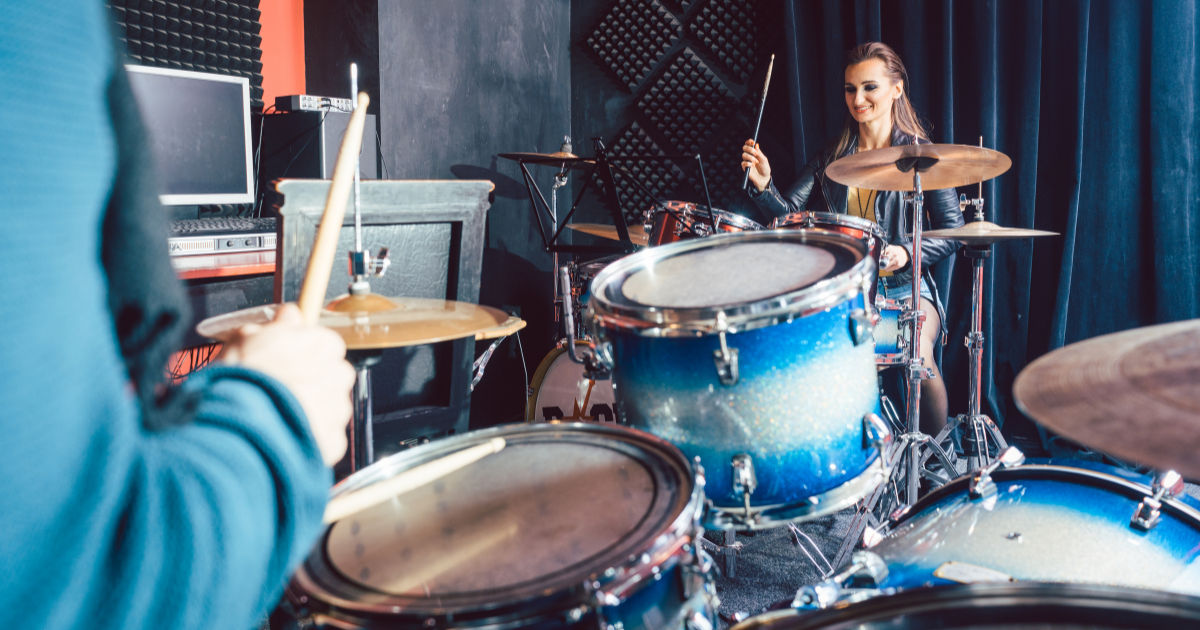
With the city’s vibrant music scene and rich history of jazz, Austin offers many opportunities for aspiring drummers to learn and grow.
This guide will help you navigate your options for Drum lessons Austin, what to expect, and how to make the most of your learning experience.
Why Learn Jazz Drumming?
Jazz drumming is unique compared to other styles. Unlike rock or pop drumming, jazz focuses heavily on improvisation, dynamics, and subtle rhythmic nuances. Learning jazz drumming offers several benefits:
-
Improved coordination: Jazz drumming requires using both hands and feet independently, which strengthens coordination and motor skills.
-
Enhanced musicality: Playing jazz improves your understanding of timing, phrasing, and melody.
-
Versatility: Skills learned in jazz can be applied to other styles, making you a more well-rounded drummer.
-
Creativity: Jazz encourages improvisation, allowing you to express yourself musically in ways that other styles may not.
For anyone serious about becoming a skilled drummer, taking Drum lessons Austin focused on jazz is a wise investment.
Choosing the Right Jazz Drumming Classes
Not all drumming classes are the same. Some focus purely on technique, while others emphasize improvisation and performance. When looking for Drum lessons Austin, consider the following factors:
Instructor Experience
The quality of your instructor can make or break your learning experience. Look for teachers with professional performance experience in jazz or a solid teaching background. Experienced instructors can provide personalized guidance, correct mistakes early, and help you develop your unique style.
Class Structure
Jazz drumming classes vary in format. Some offer group lessons, while others provide one-on-one sessions. Both have advantages:
-
Group lessons: Great for learning ensemble playing and collaboration with other musicians.
-
Private lessons: Offer personalized attention, faster progress, and tailored learning plans.
Decide which structure works best for your learning style.
Curriculum
A structured curriculum ensures you cover essential skills progressively. A good jazz drumming class should include:
-
Basic drumming techniques and rudiments
-
Jazz swing patterns and syncopation
-
Improvisation exercises
-
Reading drum notation
-
Playing along with jazz tracks
When exploring Drum lessons Austin, ask about the curriculum to ensure it aligns with your goals.
Location and Schedule
Convenience matters. Look for studios or instructors located near your home or workplace. Flexibility in scheduling can make it easier to maintain regular practice sessions. Many Austin instructors also offer online lessons, which can be a great alternative for busy schedules.
The Cost of Jazz Drumming Classes
Prices for jazz drumming classes in Austin vary depending on several factors, including instructor experience, lesson length, and class type. On average:
-
Private lessons: $40–$80 per hour
-
Group lessons: $20–$50 per hour
-
Workshop or masterclass sessions: $50–$150 per session
Remember, investing in quality Drum lessons Austin is an investment in your musical future. Cheaper lessons may save money upfront but may not provide the same depth or personal attention.
Online vs. In-Person Lessons
In today’s digital age, online lessons have become a popular alternative. Both in-person and online lessons have pros and cons:
Online Lessons
-
Pros: Flexibility, access to instructors outside Austin, recorded lessons for review.
-
Cons: Lack of immediate hands-on feedback, may feel less personal, requires self-discipline.
In-Person Lessons
-
Pros: Direct feedback, hands-on correction, opportunity to play with live ensembles.
-
Cons: Fixed schedule, travel required, potentially higher costs.
Many drummers choose a combination of both to maximize learning efficiency.
Essential Equipment for Jazz Drumming
Before starting your classes, having the right equipment is crucial. Here’s a basic setup for beginners and intermediate players:
-
Drum kit: Standard jazz kits include a bass drum, snare drum, hi-hat, ride cymbal, and one or two toms.
-
Drumsticks: Lighter sticks, often jazz-specific, allow for better control and articulation.
-
Practice pad: Useful for rudiment practice without making noise.
-
Metronome: Helps maintain timing, a critical skill in jazz drumming.
-
Sheet music stand: Necessary for reading drum charts and exercises.
Your instructor can provide guidance on which brands and models suit your skill level and budget.
Key Techniques in Jazz Drumming
Jazz drumming involves several techniques that set it apart from other styles:
Swing Feel
Swing is the heartbeat of jazz. Instead of playing evenly spaced notes, jazz drummers emphasize a “long-short” rhythm that gives the music its signature groove.
Brush Techniques
Brushes are used for softer, subtler sounds in jazz. Learning how to sweep and tap with brushes is essential for ballads and small ensemble performances.
Syncopation and Polyrhythms
Jazz often features complex rhythms. Syncopation emphasizes off-beats, while polyrhythms involve multiple rhythms played simultaneously. Mastery of these elements is essential for advanced jazz drumming.
Dynamics and Accents
Jazz drummers must control volume and accent placement. Playing softly versus loudly can change the entire feel of a piece, and accents add emotional depth.
Practicing Jazz Drumming Effectively
Consistent practice is key to mastering jazz drumming. Here are tips for making the most of your practice time:
-
Start with basics: Focus on rudiments, hand technique, and timing before attempting complex patterns.
-
Use a metronome: Helps develop consistent timing and swing feel.
-
Play along with recordings: Listening and playing along with jazz tracks improves musicality and improvisation.
-
Record yourself: Reviewing recordings helps identify areas for improvement.
-
Set goals: Short-term and long-term goals keep your practice sessions focused and productive.
Austin’s Jazz Scene
Austin isn’t just the Live Music Capital of the World—it’s also a hub for jazz enthusiasts. Participating in the local jazz scene can enhance your learning experience:
-
Jazz clubs: Venues like The Elephant Room and Parker Jazz Club host live performances that offer inspiration and networking opportunities.
-
Music festivals: Events like Austin Jazz Festival provide exposure to professional drummers and ensembles.
-
Jam sessions: Informal gatherings allow students to practice improvisation and ensemble skills in a live setting.
Being active in Austin’s jazz community complements formal Drum lessons Austin and accelerates your growth as a musician.
Advanced Learning Opportunities
For drummers looking to go beyond beginner or intermediate lessons, Austin offers advanced workshops and masterclasses:
-
University programs: Institutions like the University of Texas offer music programs that include jazz studies.
-
Private masterclasses: Often led by visiting jazz artists, these sessions provide in-depth insight into professional techniques.
-
Online advanced courses: Platforms like Drumeo or ArtistWorks offer specialized jazz courses with professional instructors.
Combining formal lessons with workshops ensures you gain both theoretical knowledge and practical experience.
Common Challenges in Jazz Drumming
Learning jazz drumming can be challenging, but knowing what to expect helps:
-
Complex rhythms: Jazz often uses syncopated patterns and odd time signatures, which can be difficult for beginners.
-
Coordination: Independent hand and foot movement requires patience and consistent practice.
-
Improvisation anxiety: Many students struggle with improvising in real time, but regular jam sessions help overcome this.
-
Consistency: Regular practice is necessary to maintain skill and technique.
With dedication and guidance from quality Drum lessons Austin, these challenges can be overcome.
Tips for Choosing the Best Jazz Drumming Instructor in Austin
Finding the right instructor is crucial. Here are tips to ensure you make the best choice:
-
Check credentials: Look for instructors with performance experience and positive student reviews.
-
Ask for a trial lesson: Most instructors offer a trial session to evaluate teaching style and compatibility.
-
Evaluate communication: The best instructors explain concepts clearly and provide constructive feedback.
-
Observe passion: A passionate teacher inspires students and keeps learning enjoyable.
How to Make the Most of Your Jazz Drumming Classes
-
Be punctual: Arrive on time and prepared for each lesson.
-
Practice consistently: Regular practice reinforces what you learn in class.
-
Take notes: Writing down techniques, exercises, and instructor feedback helps retention.
-
Ask questions: Clarify doubts immediately to avoid forming bad habits.
-
Stay motivated: Celebrate small achievements to maintain enthusiasm.
The Role of Music Theory in Jazz Drumming
Understanding music theory enhances your drumming:
-
Scales and chords: Knowledge of jazz scales and chords helps you anticipate changes and play more musically.
-
Song structure: Recognizing verse, chorus, and bridge sections aids in improvisation and ensemble performance.
-
Timing and rhythm notation: Reading sheet music allows you to learn new pieces efficiently.
Incorporating theory with practical lessons creates well-rounded drummers ready for any musical scenario.
Conclusion
Jazz drumming is a rewarding and challenging art form that requires dedication, practice, and guidance. Austin provides an ideal environment for aspiring jazz drummers, with a vibrant music scene, talented instructors, and diverse learning opportunities. By enrolling in Drum lessons Austin, you can develop technical skills, musicality, and confidence in improvisation.
Choosing the right instructor, practicing consistently, and immersing yourself in Austin’s jazz culture will accelerate your progress and help you achieve your goals. Remember, learning jazz drumming is a journey—one that combines patience, passion, and creativity. Whether you aim to perform in jazz clubs, participate in ensembles, or simply enjoy drumming as a personal pursuit, Austin has everything you need to succeed.
Start today, and let the rhythms of jazz guide your hands, feet, and heart. With dedication and the right guidance from Drum lessons Austin, you can unlock your potential and become the drummer you’ve always dreamed of being.